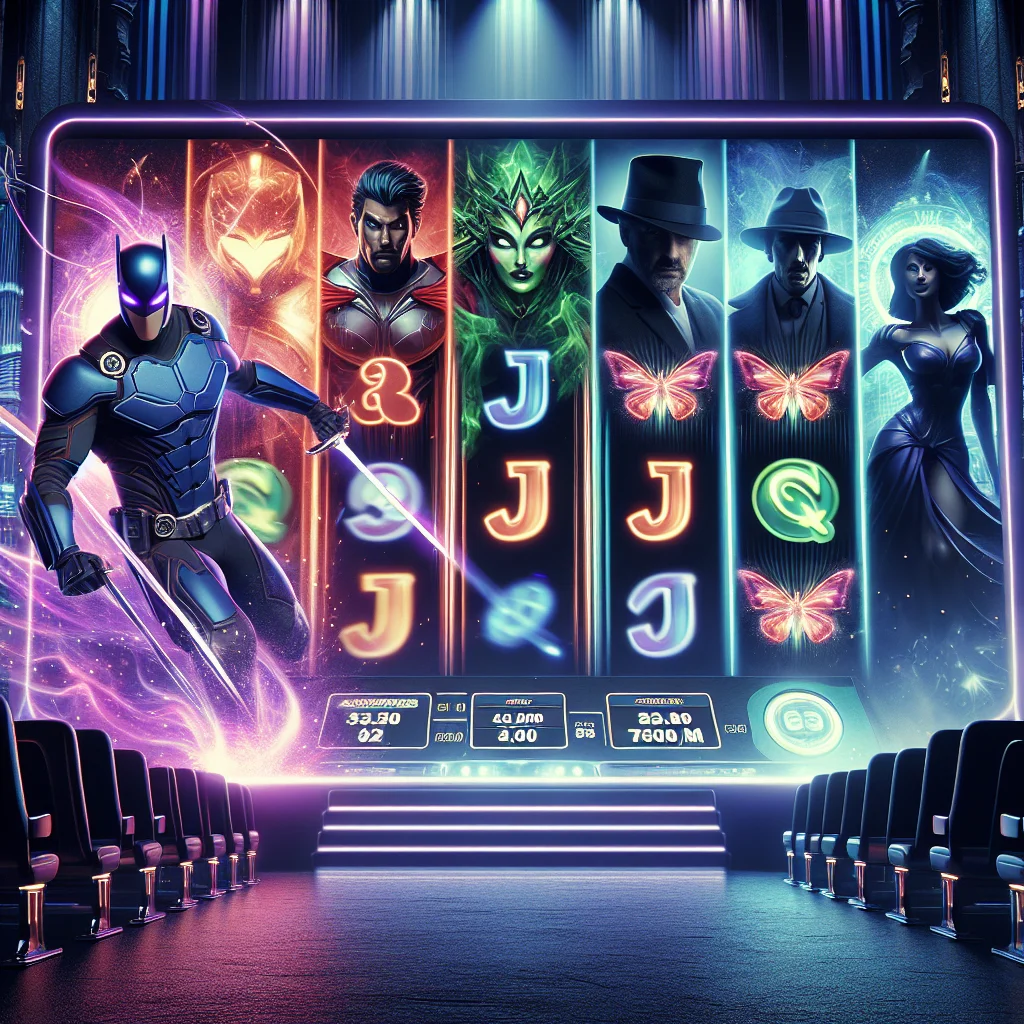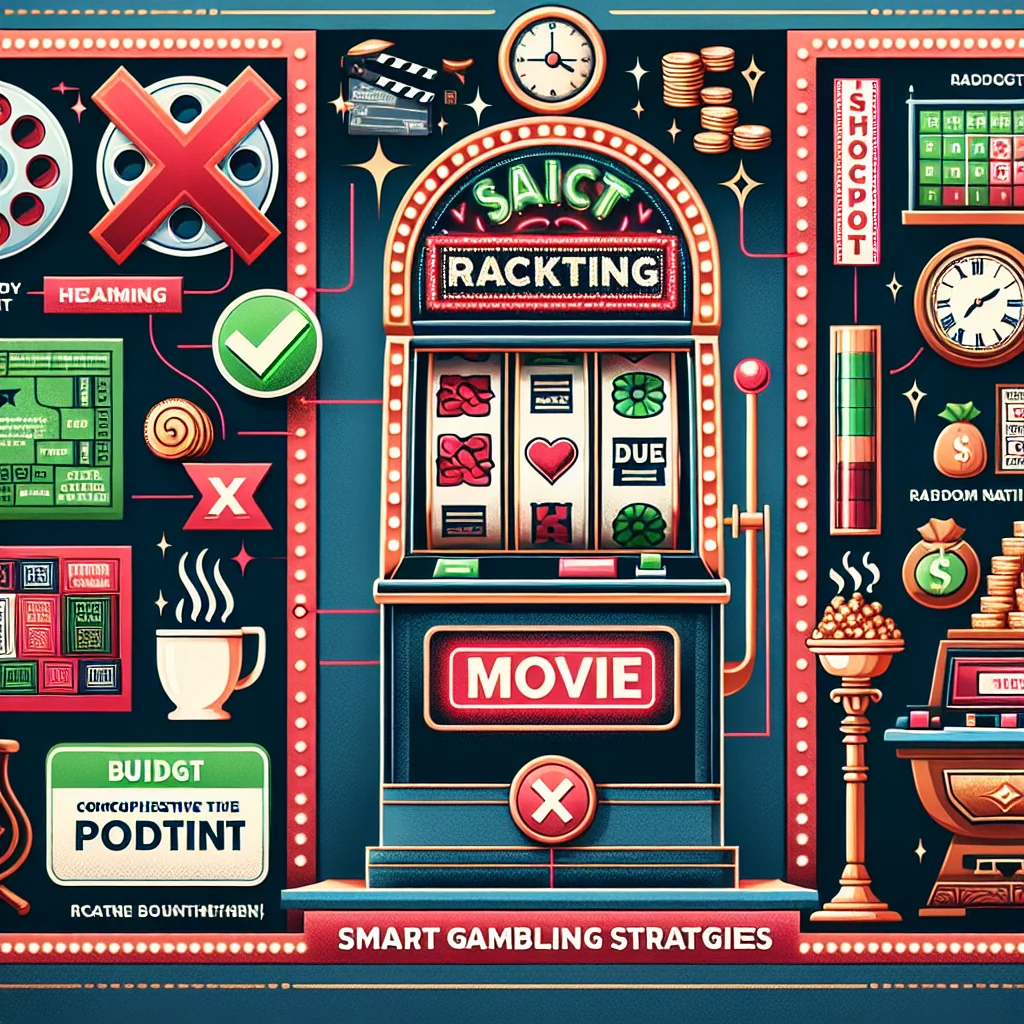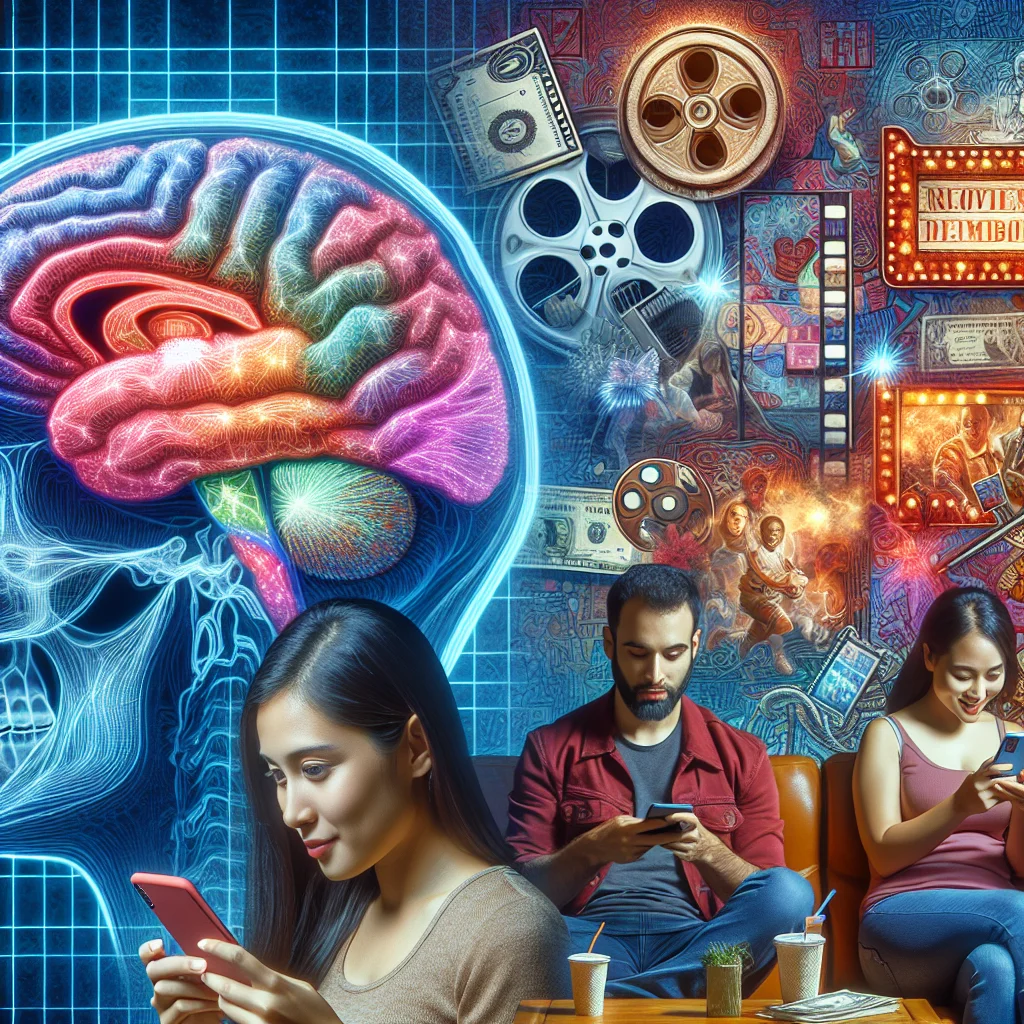
The staggering success of slot games based on blockbuster films and television series cannot be explained by game mechanics or visual polish alone. Its roots tap into deeper psychological needs and cultural currents. These games function as more than gambling products; they are interactive touchstones for nostalgia, platforms for identity expression, and social connectors in a digital age. By integrating beloved fictional worlds into the framework of chance, developers have unlocked a powerful formula that resonates on an emotional level far beyond the anticipation of a monetary win. This article explores the complex interplay of psychology and culture that explains why players are irresistibly drawn to spinning reels alongside Iron Man, exploring Middle-earth, or solving mysteries with their favorite detectives, transforming a solitary activity into a meaningful personal experience.
Nostalgia as a Powerful Emotional Engine
Nostalgia is not merely reminiscence; it is a potent, positive emotional state that provides comfort, boosts mood, and enhances social connectedness. Licensed slots are masterful nostalgia engines. They provide direct, interactive access to the cherished feelings associated with first watching a beloved film or series. The familiar soundtrack, the authentic voice lines, and the visual style trigger a flood of autobiographical memories, transporting the player back to a specific time and place in their personal history. This emotional resonance creates a powerful reward loop that is independent of financial gain. The act of playing becomes a form of emotional time travel, offering a temporary escape from the present into a comforting, known world. This makes the game session inherently pleasurable and rewarding, encouraging repeat engagement as a reliable source of positive affect and sentimental satisfaction.
Identity and Affiliation: Playing as a Fan
Fandom is a core component of modern identity. Being a fan of Marvel, Star Wars, or a hit HBO series is a social identity that people invest in, celebrate, and use to connect with others. Licensed slots offer a new, active mode of engaging with that fan identity. When a player chooses a game based on their favorite franchise, they are not just selecting a game; they are making a statement. Playing becomes a performative act of fandom. The game allows them to “participate” in the universe, making choices (like selecting a bonus round path) that align them with certain characters or factions. This active participation fosters a deeper sense of ownership and connection to the IP than passive viewing allows. It transforms the player from a spectator into a pseudo-participant, validating their fan status and providing a unique avenue to express their affiliation, all within the exciting context of potential reward.
The Illusion of Skill and Narrative Control
Traditional slots are openly games of pure chance. However, narrative-driven licensed slots cleverly introduce the “illusion of skill” and control. In bonus rounds that involve making choices—choosing a door to open, a path to take, or a character to ally with—the player feels agentic. Even though the underlying outcome is typically randomized, the act of choice creates a cognitive bias where the player attributes results to their decision, not luck. This mimics the satisfaction derived from video games and interactive stories. Furthermore, as the game’s narrative seemingly progresses through their actions (unlocking new features, advancing a story meter), players experience a sense of authorship over their experience. This perceived control is psychologically rewarding, reducing the passive feeling associated with gambling and replacing it with the engagement of guided exploration, making the experience more compelling and less monotonous.
Social Sharing and Community Building
In the era of social media, gaming experiences are rarely kept private. Licensed slots generate shareable content that fuels online community interaction. A player who triggers a spectacular, theme-specific bonus round or achieves a big win on a popular franchise game is likely to capture a screenshot or video clip to share on forums, Discord servers, or social media groups dedicated to that fandom. This sharing serves multiple purposes: it celebrates personal achievement, seeks validation from fellow fans, and provides entertaining content for the community. These shared moments create common ground and spark conversations, turning a solitary gambling act into a social event. Game developers often lean into this by designing particularly cinematic and “share-worthy” bonus animations, knowing that player-generated content is powerful free marketing that reinforces both the game’s and the franchise’s cultural footprint.
Cultural Ubiquity and Mainstream Acceptance
The proliferation of these games contributes to their own normalization and acceptance. When major, respected entertainment studios like Disney, Warner Bros., and NBCUniversal willingly license their crown jewel properties to reputable gaming companies, it lends a veneer of legitimacy and mainstream appeal to the product. It signals that engaging with this form of entertainment-based gambling is a culturally acceptable leisure activity for adults. This is amplified by the games’ presence not in seedy backrooms, but on mainstream television advertisements, sponsored sports events, and through influencers. The cultural cachet of the IP rubs off on the slot, distancing it from negative gambling stereotypes and reframing it as a sophisticated, modern form of interactive entertainment for fans. This normalization broadens the player base, drawing in individuals who might never visit a traditional casino but are eager for new ways to engage with the stories they love.
Ethical Considerations in Leveraging Psychology
The very power of this psychological and cultural toolkit necessitates serious ethical consideration. The use of nostalgia and fandom can create exceptionally strong emotional hooks, potentially making it harder for vulnerable individuals to disengage. The illusion of control and skill might lead to an overestimation of one’s influence over outcomes, encouraging prolonged play. Responsible game developers and operators in this space have a duty to implement safeguards that are as sophisticated as the games themselves. This includes clear, frequent reminders of the random nature of outcomes, mandatory breaks in narrative progression, customizable spending and time limits that are easy to access, and ensuring marketing never targets individuals based on their expressed fandom interests on other platforms. The goal must be to harness the positive power of these cultural connections to create entertaining experiences, while rigorously protecting players from potential harm, ensuring the love for the characters never leads to problematic behavior.