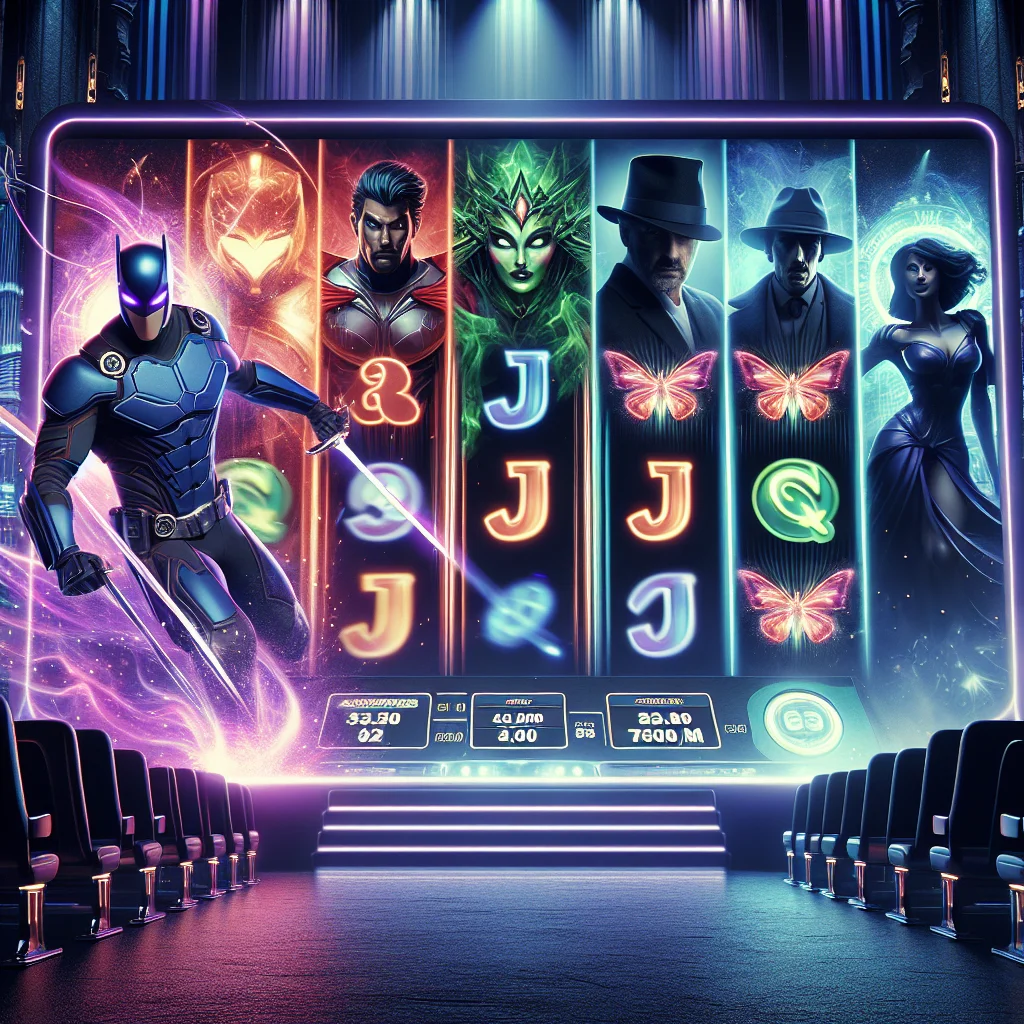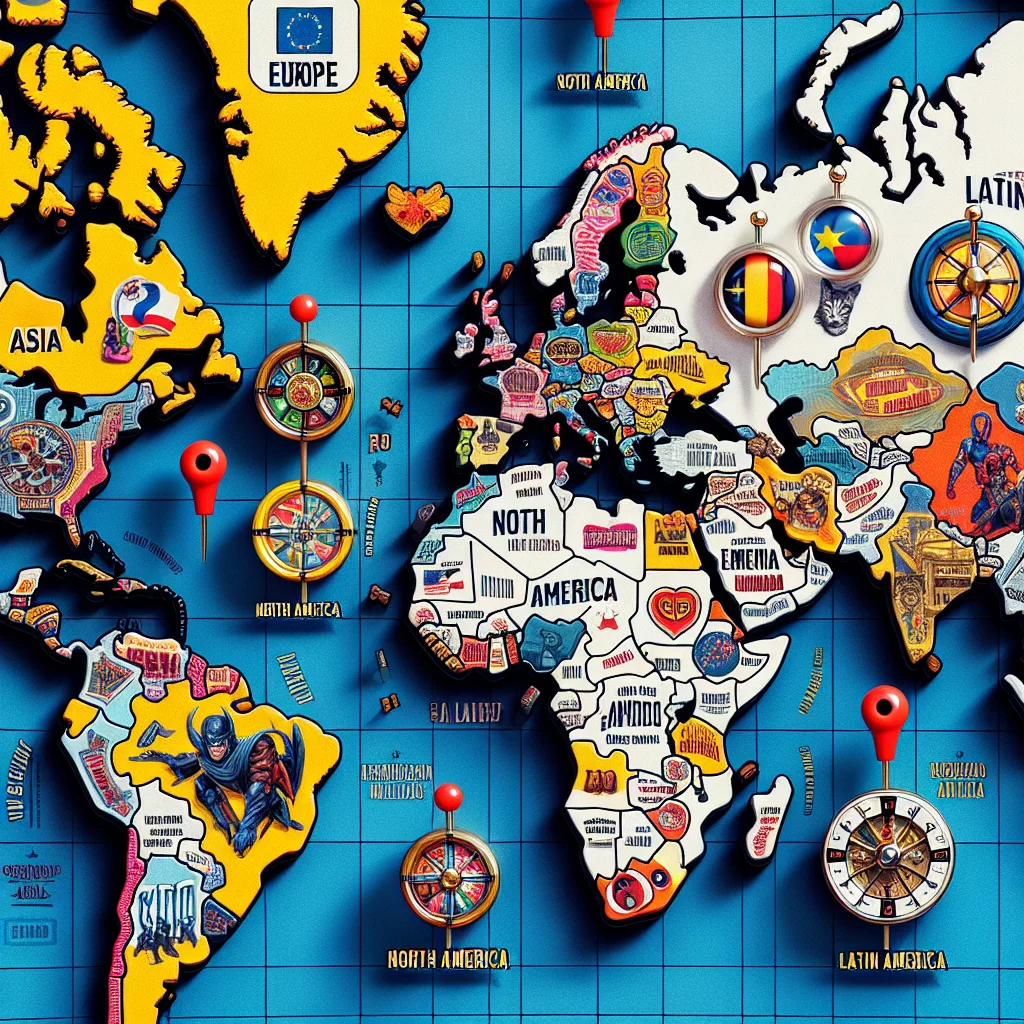
The appeal of blockbuster films and TV shows is undeniably global, but the way audiences engage with that content is deeply local. This presents a unique challenge and opportunity for developers of licensed slot games. Launching a game based on a Hollywood franchise is not a simple “one-size-fits-all” global release. It requires a meticulous process of cultural adaptation, legal localization, and market-specific tuning to ensure resonance and compliance from Sweden to Japan, and from Brazil to South Africa. This intricate process goes far beyond translating text; it involves modifying game aesthetics, adjusting mathematical models, rethinking bonus structures, and sometimes even altering core thematic elements to align with local sensibilities, regulations, and gambling cultures. This article explores the multifaceted world of global slot adaptation, revealing how a single cinematic property is transformed into multiple distinct gaming experiences for players around the world.
Linguistic and Visual Localization: Beyond Simple Translation
The most obvious layer of adaptation is language. All in-game text—menus, paytables, bonus instructions, and story snippets—must be accurately translated by native-speaking linguists familiar with both gambling terminology and the franchise’s local voice. However, true localization extends much further. Visual elements often require adjustment. Color symbolism varies greatly; a color signifying luck and prosperity in one culture (like red in China) may have neutral or negative connotations elsewhere. User interface (UI) design must accommodate text expansion (German text is often longer than English) and different reading patterns. Character artwork might be subtly altered in certain markets to align with local promotional materials or censorship guidelines regarding attire or depictions of violence. The goal is to make the game feel natively designed for that market, not an imported product with subtitles.
Regulatory Compliance: The Legal Patchwork
Perhaps the most complex factor is navigating the global patchwork of gambling regulations. Each jurisdiction has its own strict rules governing game mechanics, features, and presentation. In the UK, under the Gambling Commission’s rules, games must have no illusion of skill; features that involve “stopping” a reel or making a choice cannot influence the predetermined outcome, which may require re-engineering bonus games for that market. Sweden and the Netherlands mandate loss limits, cool-off periods, and specific responsible gambling messaging that must be seamlessly integrated into the game flow. Some countries, like Spain, have unique tax reporting requirements that affect how wins are displayed. Developers often create multiple “client types” or “jurisdictional versions” of the same core game, each with a modified codebase to meet these legal requirements, ensuring the game is not just entertaining but also fully compliant in each licensed territory.
Mathematical Model Tuning: Volatility and RTP Preferences
Player preferences for game mathematics vary significantly by region. Return to Player (RTP) percentages and volatility profiles are often tuned for specific markets. For example, players in the UK and parts of Northern Europe historically show a preference for high-volatility games—experiences with less frequent but potentially larger wins, mirroring the “big bonus” excitement. In contrast, markets like Southern Europe or some Asian regions may favor medium to low-volatility games that offer more frequent, smaller wins, providing a longer, steadier session. Developers analyze market data and work with local operators to adjust the mathematical model of their licensed slot for different releases. This might mean altering the hit frequency, the bonus trigger rate, or the potential multiplier ranges within bonus features to better match the local “playstyle,” ensuring the game feels satisfying and engaging within its cultural context.
Cultural Nuances in Theme and Symbolism
Even within a globally recognized franchise, certain elements may not translate or could be deemed insensitive. Developers and licensors conduct cultural reviews to identify potential issues. A slot based on a fantasy series involving mythological creatures might need to modify a symbol that is sacred or has a negative folklore association in a particular region. Historical or military-themed content can be extremely sensitive. In some cases, an entire game might be deemed unsuitable for a market and not released there at all. Conversely, developers might emphasize different aspects of a franchise for different regions. For a superhero slot in Asia, promotional materials might focus more on the visual spectacle and team dynamics, while in North America, the emphasis might be on individual heroism and origin stories. Understanding these nuanced preferences is key to successful market penetration.
Market-Specific Features and Promotional Integration
Finally, successful adaptation involves integrating with local market practices. This includes supporting local payment methods and currencies within the game’s cashier. It also involves designing features that tie into regional promotional calendars or holidays. A slot might offer a special “Lunar New Year” bonus event for the Asian market, featuring themed symbols and fireworks, while the European version might have a “Summer Festival” event. Furthermore, the game must be optimized for the dominant device types in each region—whether that’s desktop play in certain European markets or mobile-first, portrait-mode play in regions like Asia. This level of granular adaptation demonstrates respect for the local player and a commitment to providing a tailored experience, which in turn drives higher engagement and loyalty in competitive regional markets.
The Future: Hyper-Localization and AI-Driven Adaptation
The future points toward even more granular, hyper-localized experiences. Advances in AI and data analytics could allow for dynamic in-game adjustments based on real-time player behavior within a specific region. Imagine a game that subtly adjusts its bonus frequency or visual theme based on aggregated, anonymized play patterns from a country or even a city. Furthermore, as licensing agreements become more sophisticated, we might see region-exclusive slot titles based on local film and TV phenomena that never achieve global fame, creating a deeply resonant product for that specific audience. The era of the monolithic global game is ending, giving way to an ecosystem of culturally intelligent, adaptable entertainment products that honor both the universal appeal of great stories and the particular tastes of the world’s diverse players.