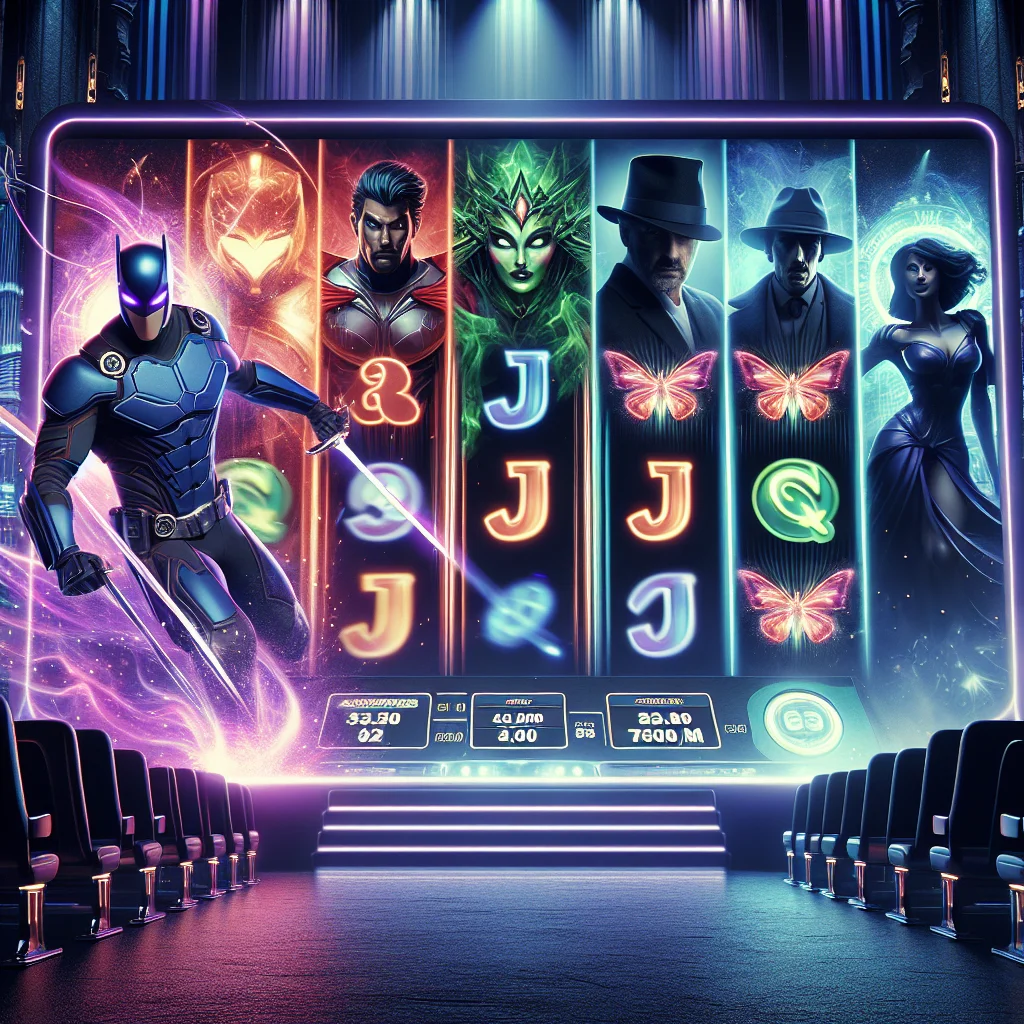
The marriage of cinema and slot machines is a tale of technological ambition and creative convergence. What began decades ago as a crude marketing gimmick—a static poster image slapped onto a mechanical reel—has matured into one of the most sophisticated and lucrative niches in the global iGaming industry. The evolution of film and TV-themed slots mirrors the broader digital revolution, charting a course from simple visual references to deeply integrated, interactive experiences. This journey has been driven by leaps in software capability, changing player expectations, and a growing understanding of brand synergy. By examining the key eras in this evolution, we can appreciate not only how far these games have come but also glimpse the future of entertainment-based gambling, where the line between playing a game and starring in your own cinematic adventure becomes beautifully blurred.
The Analog Era: Static Overlays and Mechanical Reels
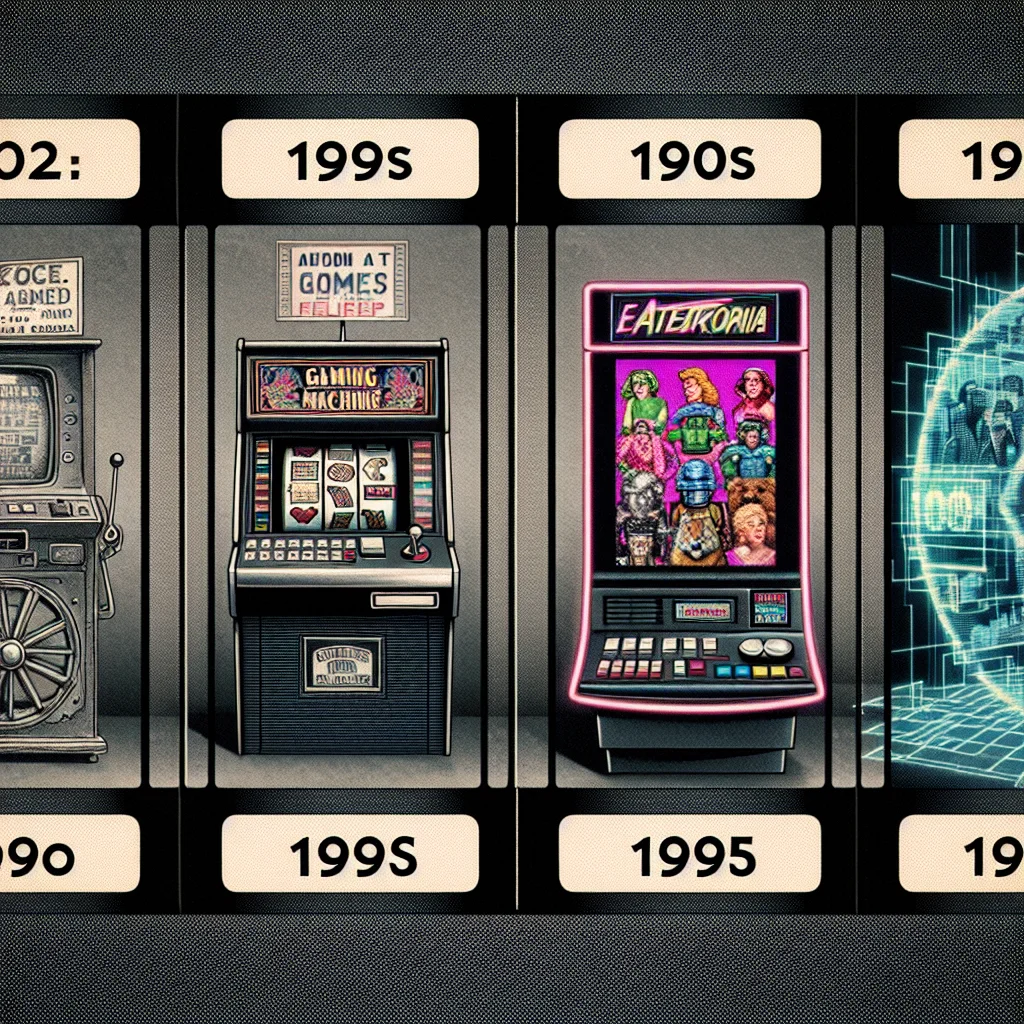
In the early days of land-based casinos, the concept of a licensed slot was primitive. The late 1970s and 1980s saw the first attempts, primarily for blockbuster films like Star Wars or Indiana Jones. These were standard three-reel mechanical machines with a themed cabinet and a painted glass panel depicting scenes or characters. The actual symbols on the reels remained classic fruits, bells, and sevens; the film connection was purely cosmetic. The gameplay was identical to any other machine on the floor. These early tie-ins were less about creating an immersive experience and more about leveraging a film’s popularity to attract players to a specific cabinet. The sound was limited to generic casino chimes and the clatter of mechanical reels. While nostalgic, this era established the foundational idea that a popular entertainment brand could drive traffic, planting the seed for all future development.
The Digital Dawn: Pixelated Graphics and Basic Bonus Rounds
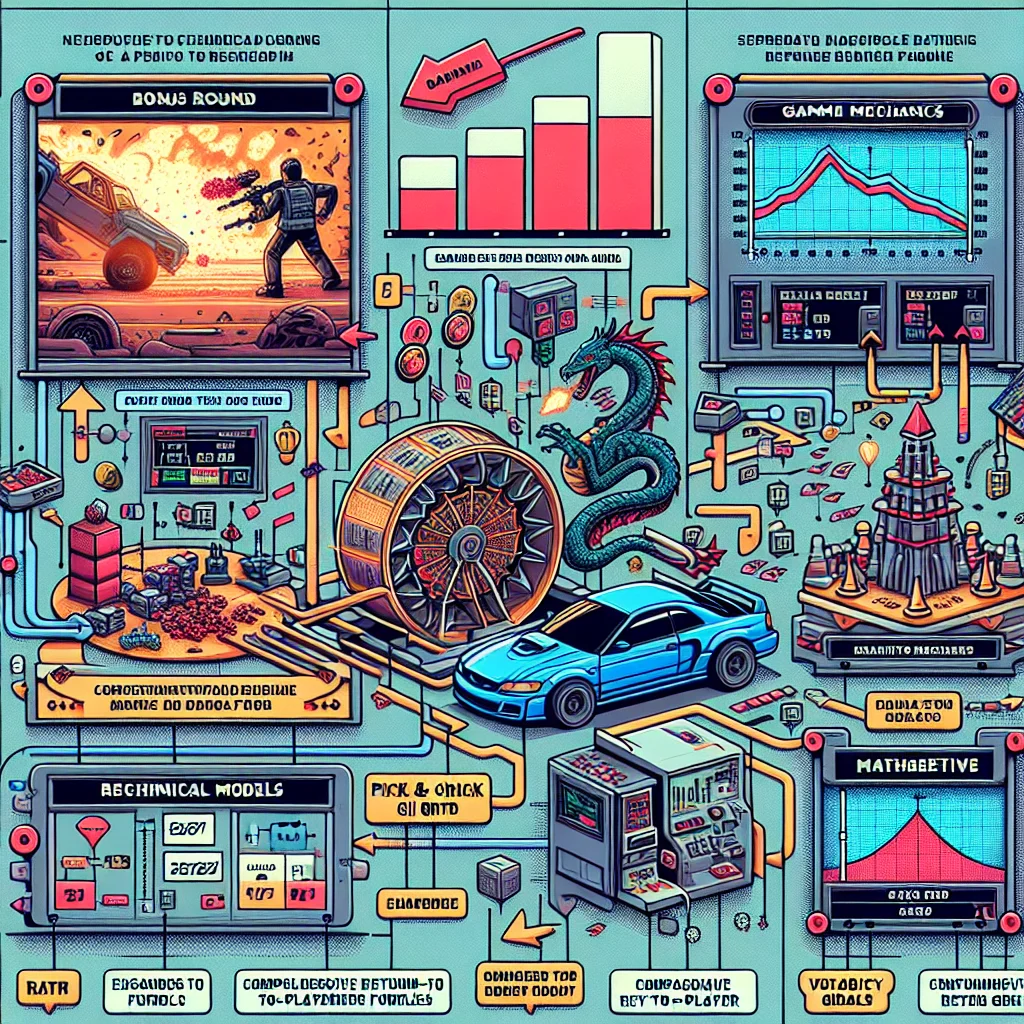
The advent of video slot technology in the 1990s and early 2000s was the first major evolutionary leap. Replacing physical reels with video screens allowed for dynamic graphics. Developers could now create custom symbols featuring pixelated versions of film characters and icons. This period introduced simple bonus features, often triggered by landing three or more scatter symbols represented by a movie logo. These bonuses were typically a static screen with a “pick-em” game or a set of free spins with a modest multiplier. Sound improved with digitized clips and short musical riffs from the films, though quality was often low. Games based on franchises like The Addams Family or Star Trek became popular in this era. The connection to the source material became more interactive, but the narrative and visual depth were still severely limited by processing power and storage constraints of the era’s hardware.
The 3D Revolution: Cinematic Quality and Immersive Features
The mid-2000s onward, with the proliferation of online casinos and advanced game development platforms like HTML5, marked the true renaissance. This era is defined by the pursuit of cinematic quality. Symbols became intricately rendered 3D models that animated upon wins. Game backgrounds were detailed, animated environments from the films. Crucially, this period saw the licensing of original soundtracks and voice acting, completing the sensory package. Bonus features evolved into complex, multi-stage events that directly mirrored film plots: a car chase, a battle sequence, a puzzle to solve. Features like “walking wilds,” “cascading reels,” and “colossal symbols” were paired with themes to create dynamic gameplay. The game itself became a storytelling vehicle. Titles like Game of Thrones or Jurassic Park by leading studios set a new standard, offering high-volatility drama that matched their source material’s intensity.
The Narrative Integration Era: Story-Driven Progression and Meta-Games
The current state of the art moves beyond isolated features to holistic narrative integration. Modern cinematic slots are designed with long-term player engagement in mind, borrowing concepts from video game design. This includes “story mode” progressions where players complete chapters or seasons, unlocking new features and higher potential as they play. Character development is woven into mechanics, with symbols that “level up” or change function. Meta-game elements, like collectible tokens scattered across spins that build toward a grand jackpot or a revealing a major plot twist, are common. The gameplay loop is no longer just spin-win-repeat; it is explore-progress-uncover. Developers work in tandem with licensors from the earliest concept stages to ensure narrative fidelity. This era treats the slot not as a game with a theme, but as an interactive, gambling-centric episode of the franchise, demanding a new level of creative and technical collaboration.
Cross-Platform Synergy and Live Entertainment
Today’s evolution is characterized by breaking the boundaries of the game itself. Film-themed slots are now part of larger cross-platform marketing campaigns. A new game might launch simultaneously with a film’s Blu-ray release or a new season on a streaming service. Furthermore, the rise of live dealer casino games has spawned a new sub-genre: live game shows based on TV formats. While not slots per se, these games, like those based on Deal or No Deal or Monopoly, demonstrate the principle of licensed entertainment driving interactive gambling. The technology of live streaming is now being experimented with to create “live bonus rounds” where a real host guides players through a themed experience. This points toward a future where live-action and pre-rendered CGI blend seamlessly within a gambling framework, creating a hybrid entertainment product.
Looking Ahead: The Frontier of Immersive Tech and Ethical Design
The evolutionary path points toward total immersion. Virtual Reality (VR) headsets could place players inside a fully realized Mos Eisley Cantina or Gotham City casino, where slot machines are environmental objects. Augmented Reality (AR) might project game characters into a player’s living room. Haptic feedback suits could make players feel the rumble of a T-Rex’s footsteps during a bonus round. However, this incredible potential is paired with increased ethical responsibility. As games become more absorbing, the industry must pioneer even more robust responsible gambling tools integrated directly into these immersive experiences—”cool-down” narratives, mandatory story breaks, and biometric feedback monitoring. The future of cinematic slots lies in balancing breathtaking technological immersion with unwavering commitment to player safety, ensuring the next chapter in this evolution is both spectacular and sustainable.